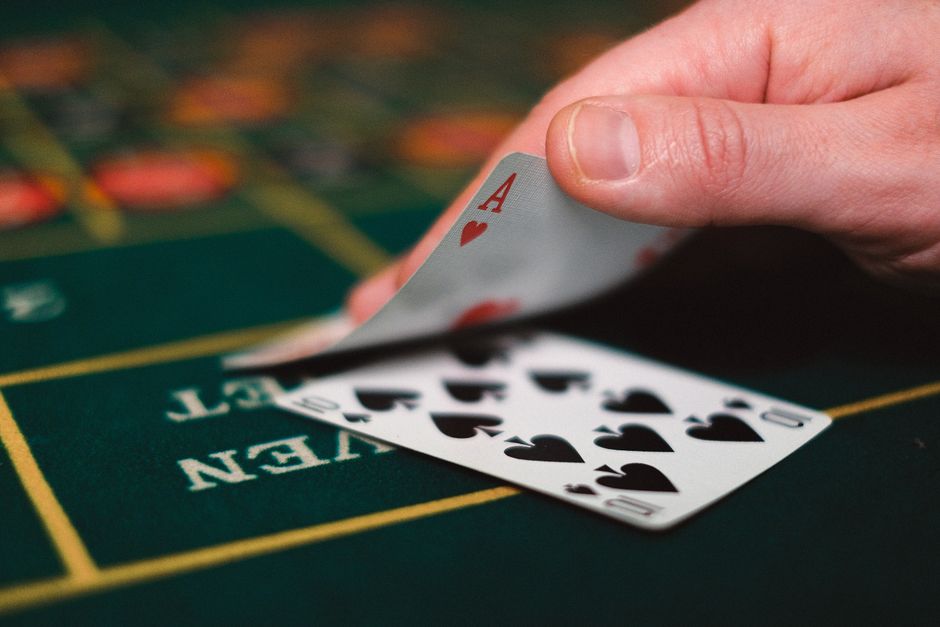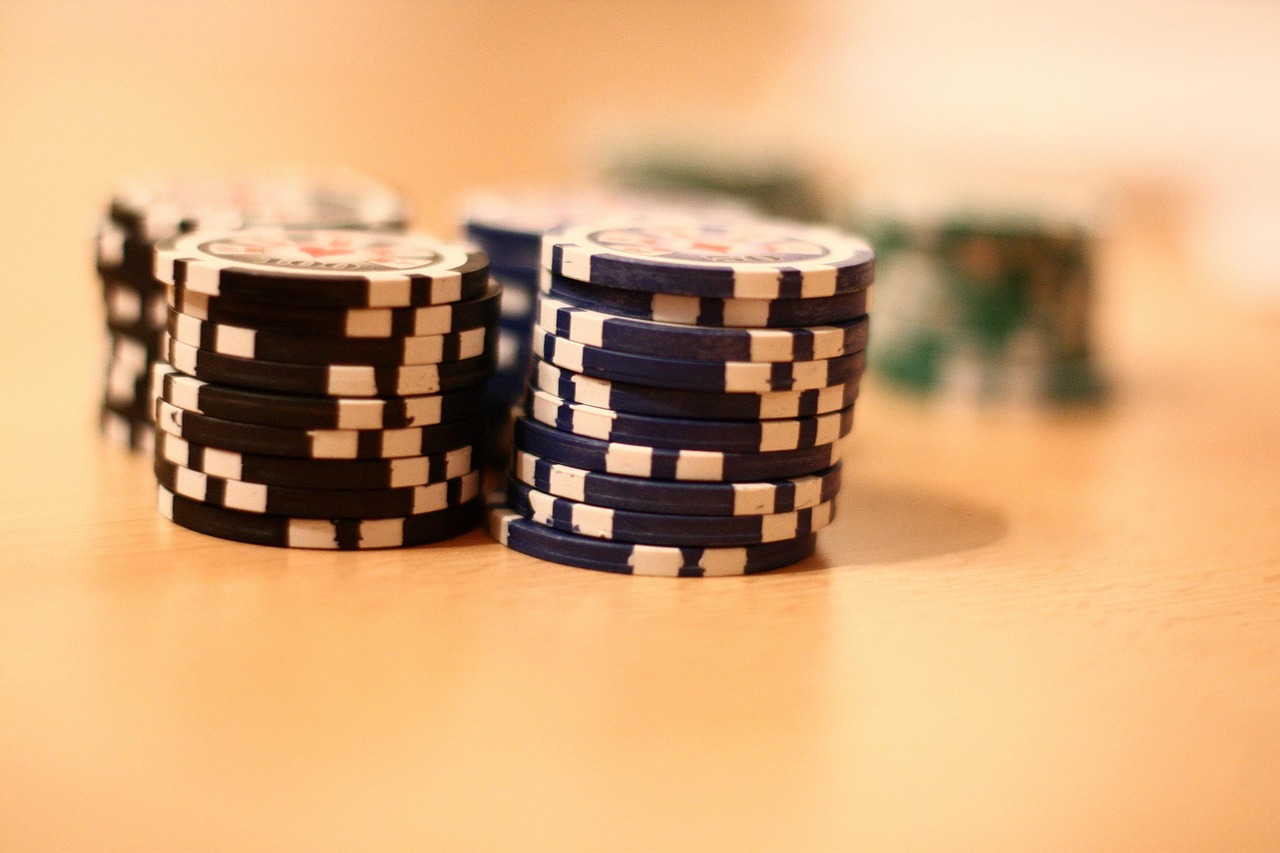
Most people lose money in iGaming for the same reason most people lose money in the stock market: they mistake entertainment for a strategy. The industry knows this, which is why the slot floor is designed like a casino in Vegas -- no clocks, no windows, free drinks. The person who treats a session like a night out and the person who treats it like a system are not playing the same game, even if they're sitting at the same table.
Here's the uncomfortable truth: the house edge doesn't care how smart you are. What separates the players who grind out a living or at least a consistent profit from the ones who donate their paycheck is preparation, bankroll discipline, and understanding exactly what game they're playing. Let's break down what that actually looks like.
Why Slot Players Lose More Than They Realize
Slots are the most profitable product in any casino for a reason. They require zero skill, run on RNG software, and hide their real cost behind spinning reels and bonus triggers. A typical land-based slot has an RTP (return to player) of 85-92%. Online slots usually sit between 94-97%, which sounds better until you do the math.
At 96% RTP, the house edge is 4%. On a $1,000 bankroll, the expected loss is $40 -- but that's expected value, not a guarantee. Variance is brutal. You can hit a 500x bonus and be up $5,000, or you can burn through $300 in twenty minutes on a dead machine. The problem is players rarely track sessions. They remember the big wins and forget the eleven losing runs that preceded them.
If you play slots, treat it as a cost, not an investment. Set a session budget, not a target. The moment you start chasing a loss with the next spin, you've left the game and entered the trap.
Poker Is Not Gambling -- It's Decision-Making Under Uncertainty
Poker is the one vertical where long-term profit is genuinely possible for a skilled player. But the edge is thin. A good cash game player might win 3-5 big blinds per 100 hands. At $1/$2 no-limit, that's $6-$10 per 100 hands. Play 400 hands an hour across four tables and you're looking at $24-$40 an hour before rake. After rake, in a tough game, that can shrink to almost nothing.
The difference between a winning and losing poker player usually comes down to three things:
- Position awareness. Acting last is worth more than most players realize. Hands that lose money from early position are profitable from the button.
- Bankroll management. Never sit with more than 5% of your total roll in a cash game, or 2% in a tournament. This is non-negotiable.
- Game selection. The most profitable skill in poker isn't bluffing -- it's finding soft tables and leaving the tough ones.
If you can't spot the fish at the table within fifteen minutes, you are the fish. That's not an insult; it's a diagnostic tool. Move tables. Anyone weighing up options should see slot dana.
The Betting Market: Where Information Actually Matters
Sports betting is where casual fans get slaughtered by sharp money. The bookmaker's margin -- the vig -- is typically 4-6% on a standard two-way market. That means you need to win roughly 52.4% of your bets just to break even at -110 odds. Most recreational bettors hit around 48-50%. The gap is the business model.
Sharp bettors don't guess. They build models, track line movement, and exploit soft numbers before the market corrects. They also understand that not all bets are equal:
- Closing line value (CLV) is the single best predictor of long-term betting success. If you consistently beat the closing number, you're profitable, even if you go on a cold streak.
- Prop bets and player markets often have higher edges because books know casual bettors love them and price them poorly.
- Live betting is where sharp money feasts. The odds shift fast, and books can't always keep up. If you're watching the game and the line hasn't moved, there's value.
If you're betting for fun, fine. If you're betting to win, you need data, discipline, and a willingness to bet against your favorite team.
Bankroll Rules That Actually Keep You Alive
Bankroll management is boring. It's also the only thing standing between you and a debit card meltdown. Here's a simple framework that works across all iGaming verticals:
- Split your money. Keep your gambling bankroll completely separate from your rent, groceries, and savings. If you have to dip into it for life expenses, you're not gambling -- you're in trouble.
- Use unit sizing. A unit should be 1-2% of your total bankroll. If your roll is $1,000, a unit is $10-$20. That's your standard bet.
- Set stop-losses and stop-wins. Walk away if you lose 30% of your session budget or win 50%. The win limit is the one people ignore, and it's the one that saves the most money.
- Track everything. A simple spreadsheet with date, game, stake, and result will teach you more than any tipster ever could.
Most losing players don't have a strategy problem. They have a discipline problem. They know the rules, and they break them anyway.
The Psychology of Chasing and How to Stop
Loss chasing is the most expensive habit in gambling. It's not a character flaw; it's a dopamine loop. The brain treats a near-miss on a slot reel or a bad beat in poker the same way it treats an actual win. That's why you keep pressing.
Breaking the loop starts with recognizing it. If you've ever said "just one more spin" or "I'll double up and quit," you've already lost control of the session. The fix is mechanical, not emotional:
- Set a timer before you start. When it goes off, you stop, win or lose.
- Never play on credit or with money you can't afford to lose.
- Take breaks every 45-60 minutes. Stand up, walk around, drink water.
- If you feel angry or desperate, log out. The game will still be there tomorrow.
The best players in any vertical -- slots, poker, or sports betting -- are not the ones who win the most. They're the ones who lose the least when things go wrong.
The Bottom Line
iGaming is not a lottery ticket. It's a market, and like any market, it rewards preparation and punishes impulse. Slots are entertainment with a built-in cost. Poker is a skill game with a thin edge. Sports betting is an information game with a brutal vig. None of them are a path to easy money.
If you want to play, play smart. Set limits, track results, and never bet money you need for something else. The house always has an edge -- your job is to make sure it's the only edge in the room.