So you've dipped your toes into the iGaming pool—maybe spinning slots on your phone during a commute, or placing a cheeky accumulator on a Saturday afternoon. But if you're still treating online casinos and sportsbooks like a lottery ticket, you're leaving serious money on the table. The difference between a casual gambler and a smart one isn't luck; it's knowledge. This guide cuts through the hype and hands you real, actionable strategies for slots, table games, poker, and betting. No fluff, no guarantees—just the stuff that actually moves the needle.
Slots: More Than Just Pulling the Lever
Let's be blunt: slots are the casino's biggest moneymaker, and for good reason. They're fast, flashy, and require zero skill—or so most people think. The truth is, while you can't control the outcome of a spin, you can control which slots you play and how you play them. That's where the edge lives.
First, understand RTP (Return to Player). A slot with 96% RTP pays back $96 for every $100 wagered over millions of spins. Online slots often have higher RTPs than their land-based cousins—think 95-97% versus 85-92%. Always check the game info. Avoid slots with RTP below 94% unless you're chasing a massive jackpot.
Second, volatility matters. High-volatility slots (like Bonanza or Dead or Alive 2) pay rarely but can drop huge wins. Low-volatility slots (like Starburst) pay small amounts frequently, keeping your bankroll alive longer. Match volatility to your session goal: if you want a long grind, go low; if you're hunting a headline win, go high.
- Set a loss limit before you spin—and stick to it. The slot machine doesn't care about your rent.
- Use free play modes to test a game's variance before betting real money.
- Take advantage of bonuses but read the wagering requirements. A 40x playthrough on a $100 bonus means you must bet $4,000 before withdrawing.
- Never chase losses on slots. The house edge doesn't remember your last spin.
Table Games: Where Skill Shrinks the House Edge
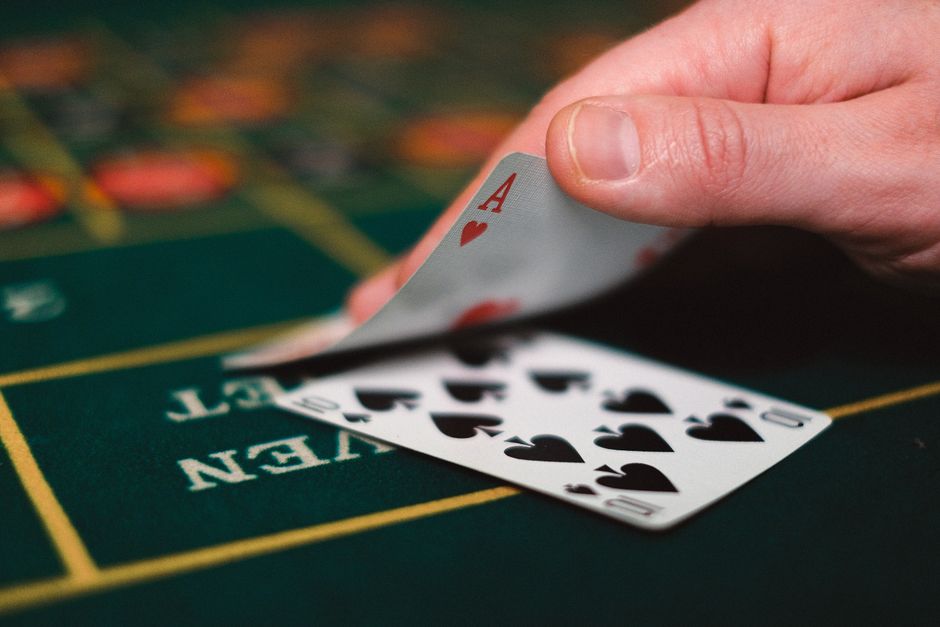
Blackjack, roulette, baccarat—these aren't slots. You can actually influence your expected value through decisions. Blackjack is the poster child: with basic strategy, the house edge drops to around 0.5%. Without it, you're looking at 2% or more. That half a percent difference might seem tiny, but over thousands of hands, it's the difference between a small profit and a slow bleed.
Roulette is simpler but offers two main variants. European roulette has one zero (2.7% house edge), while American roulette has two zeros (5.26%). Always play European if available. Avoid the ‘5-number bet' (0, 00, 1, 2, 3) on American wheels—it's the worst bet on the table at 7.89% house edge.
Baccarat? Skip the tie bet. It pays 8:1 but carries a 14.4% house edge. Stick to banker or player—both hover around 1.06% and 1.24% respectively. See สล็อต for a side-by-side comparison.
Pro tip: Many online casinos offer live dealer games with real-time streaming. The rules are identical to land-based, but you can use strategy charts without feeling rushed. Take your time—the dealer won't tap the table impatiently.
Poker: The Only Game Where You Play the Players
Poker is the lone iGaming vertical where long-term winning is possible. Not easy, but possible. The key? Stop playing your cards and start playing your opponents. At micro-stakes online, most players are loose and passive—they call too much and raise too little. Exploit that by value betting relentlessly with strong hands and bluffing rarely.
Bankroll management is non-negotiable. A common rule: have at least 20 buy-ins for cash games and 50-100 buy-ins for tournaments. If you're playing $0.10/$0.25 no-limit hold'em, your bankroll should be $500 minimum. This isn't about being scared; it's about surviving variance. Even a 60% favorite loses 40% of the time.
Study, don't just play. Use free tools like Equilab to calculate equity, or watch hand-history reviews on YouTube. One hour of study per two hours of play will accelerate your progress faster than grinding mindlessly.
- Start tight—play fewer hands in early positions. Fold junk like K-9 offsuit.
- Observe opponents' bet sizing. A min-bet often means weakness; a pot-sized bet usually means strength.
- Don't bluff calling stations. If they call everything, just bet your good hands for value.
- Take notes on players using the built-in client notes. ‘Calls any river bet' is gold.
Sports Betting: Data Over Gut Feelings
Sports betting is not about picking winners; it's about finding value. A team can win 9 out of 10 times, but if the odds imply they win 95% of the time, there's no value. You want situations where your estimated probability is higher than the bookmaker's implied probability.
Start with a simple model: calculate implied probability from odds. Decimal odds of 2.50 mean 1 / 2.50 = 40%. If you think the true probability is 45%, you have a 5% edge. That's a bet.
Focus on niche markets where bookmakers are less sharp: lower-league soccer, women's tennis, or player prop bets. The big markets (NFL, NBA, Premier League) are efficient—beating them consistently is brutal.
Line shopping is mandatory. The same bet can vary by 5-10% across sportsbooks. Over 500 bets, that difference is thousands of dollars. Use odds comparison sites—they're free.
- Track every bet in a spreadsheet. You need to know your actual ROI, not your remembered wins.
- Don't parlay for fun if you're serious. Correlated parlays have higher variance and lower expected value.
- Use bonuses strategically. A $50 free bet on a +200 underdog has an expected value of about $33 if you're a decent handicapper. That's real money.
Bonus Hunting and Promotions: Free Money or Trap?
Welcome bonuses look juicy—100% match up to $500, 50 free spins, etc. But the devil is in the terms. High wagering requirements, game weightings (slots count 100%, blackjack only 10%), and maximum bet limits can turn a ‘free' bonus into a grind. Read the T&Cs. If a bonus requires 40x wagering on slots, and you play a 96% RTP slot, your expected loss before clearing is about 40 * 4% = 160% of the bonus amount. That's a losing proposition.
Instead, look for ‘sticky' bonuses (you keep winnings but not the bonus itself) or no-wagering free spins. Some casinos offer ‘risk-free' bets—if you lose, you get a refund up to $20. That's essentially a free lottery ticket. Always compare offers.
Responsible Gambling: The Non-Negotiable Foundation
You can have the best strategy in the world, but if you're playing with money you can't afford to lose, you're not gambling—you're drowning. Set deposit limits, time limits, and never chase losses. The house edge ensures that the more you play, the more likely you are to lose. That's not pessimism; it's math.
Use tools like self-exclusion, reality checks, and budget trackers. Reputable iGaming sites offer these. If a site doesn't, leave. Your mental health is worth more than any jackpot.
Finally, remember that iGaming is entertainment first. The moment it feels like a job or a necessity, step back. The best players—poker pros, sharp bettors—treat it like a business, but they also know when to walk away. You should too.