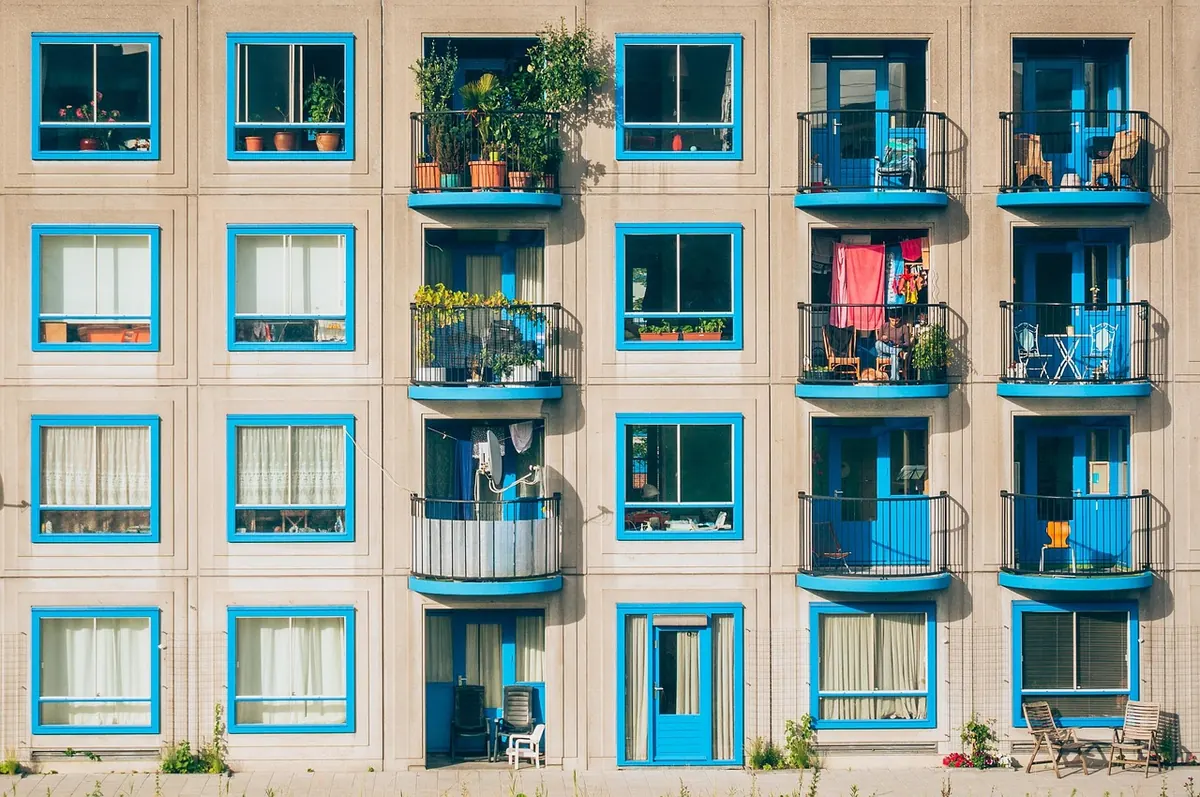
Rent or buy is the wrong question on its own. The useful version is narrower: rent or buy here, for the next few years, with the money you actually have? Those three qualifiers change the answer. A mortgage that looks cheaper than rent on paper can cost more once you add a service charge, buildings insurance and the boiler that gives up in February. And rent that feels like money down a hole can still be the better deal if your job, your relationship or your plans might move you on within eighteen months.
What follows is a way to compare the two properly — monthly costs, one-off costs, and the long view — using your figures rather than somebody else's averages.
Start by Comparing the Same Home Twice
The most common mistake in rent-versus-buy maths happens in the first line: people compare the rent on a small flat with the mortgage on a bigger house, then wonder why buying looks so cheap. Pick one type of home — two bedrooms, somewhere you would genuinely live — and price it both ways in the same part of the Quarter. The same street, if you can manage it.
Then get a mortgage agreement in principle before you get attached to anything. It is free from most brokers and lenders, takes a few minutes online, and tells you what a lender will actually offer rather than what a calculator suggests. Everything else here depends on that number.
The True Monthly Cost of Renting
- Rent — usually the largest line, and the only one you can predict with certainty during a fixed term.
- Council tax and bills — check what is included. A rent that looks higher but covers heating can be the cheaper option overall.
- Contents insurance — inexpensive, and worth having.
- The deposit — several weeks' rent sitting in a protection scheme. Still your money, but not working for you.
- Nothing for repairs — a genuine advantage. When the shower leaks, you make a phone call, not a payment.
The hidden value of renting is optionality. If the Quarter stops working for you — a new job, a change of flatmate, a relationship ending — you give notice and go. The hidden cost is that none of it builds anything. Every payment is spent.
The True Monthly Cost of Buying
A mortgage payment is not your housing cost. It is the first of several.
- Mortgage repayment — but look at how much of it is interest in the early years. On a long term, the first few years are mostly interest, so the equity you build at first is smaller than the headline figure suggests.
- Service charge and ground rent — unavoidable on a leasehold flat, and capable of rising. Ask for the last three years' accounts before you offer on anything.
- Buildings insurance — often arranged by the freeholder for flats, but confirm who pays.
- Maintenance — a rough rule of thumb is to set aside around one percent of the property's value a year. Some years you will spend nothing; some years a roof needs attention.
Add those together and compare the total with the rent on the same home. That is the honest monthly comparison, and it is often closer than either side of the argument admits.
The Upfront Gap
The real difference between renting and buying is not monthly — it is the lump of cash you need on day one. For a purchase, plan for:
- A deposit, commonly at least five to ten percent of the purchase price.
- Stamp duty or the equivalent devolved tax, where it applies. Thresholds and reliefs change, so check the current rules for your circumstances rather than relying on what a friend paid last year.
- Legal fees and searches.
- A survey — a proper one, not the cheapest available.
- Mortgage arrangement fees, if you are not on a fee-free deal.
- Removals, plus the unglamorous extras: curtains, a washing machine, a bed that fits the room.
Then keep a buffer. Buyers who spend every last penny on the purchase are the ones who panic when the first unexpected bill lands. Renting has no equivalent cliff edge, which is a real advantage if your savings are thin.
The Five-Year Test
Buying has to be paid for twice: once in monthly costs, and once in the transaction itself. Legal fees, surveys, mortgage fees and the tax all have to be earned back before you are better off. Selling adds more — estate agent fees, and possibly an early repayment charge if you fix your rate and then leave sooner than planned.
That is why five years is the rough yardstick most people use. Stay for less and the costs of getting in and out tend to swallow the gains, unless prices rise unusually fast — not something to count on. Stay longer and the maths usually tilts towards owning.
Which One Actually Fits You
Buying tends to make sense if
- Your plans are settled for at least five years.
- You have the deposit, the fees, and a separate emergency fund.
- You want a fixed home and can handle repairs without drama.
Renting tends to make sense if
- You might move, change jobs or change circumstances soon.
- Buying would drain your savings to zero.
- Your rent is well below what owning the same home would cost, and you save or invest the difference rather than spending it.
How to Run Your Own Numbers This Week
Set aside an hour. It is enough.
- Write down your current rent and everything you pay alongside it.
- Get a mortgage agreement in principle and note the monthly repayment.
- Find out what service charges look like on the type of flat you would buy, then add buildings insurance and a maintenance figure.
- Total the one-off costs of buying, then add a buffer of a few thousand pounds on top.
- Compare the monthly totals, and then ask the only question that really matters: am I likely to still want to live here in five years?
If the answer is yes and the cash is in place, buying usually wins over time. If it is no, or the cash is not there yet, renting is not a failure — it is a decision that keeps your options open while you build the deposit.
One last thing. Mortgage rates, tax rules and leasehold terms all change, and they change in ways that matter to your specific situation. A mortgage broker and a solicitor can answer questions about your case far better than any general guide can. Treat this as a framework for that conversation, not a replacement for it.
Photo: Pexels / Pixabay